Plan Your Trip
South Africa travel guide 2026: visas, safety, money and driving
The practical things we wish every guest knew before landing: from the new Electronic Travel Authorisation to why you give the petrol attendant a tip.

We are happy to answer any of these questions personally before you book.
Kurz gesagt
Most European, UK, US and Canadian visitors can enter South Africa without a visa for up to 90 days; their passport should be valid for at least 30 days after departure and have two blank pages. South Africa launched an Electronic Travel Authorisation (ETA) in 2026, mainly for visa-required nationalities; visa-exempt travellers may use it voluntarily. The currency is the rand (ZAR), cards are widely accepted, tipping 10 to 15 percent is normal, people drive on the left, and the Garden Route is malaria-free. Load shedding has largely stopped, with more than 400 days without scheduled power cuts by mid-2026.
- Visa
- Visa-free up to 90 days for EU, Swiss, UK, US, Canada
- ETA
- Launched 2026; R500; optional for visa-exempt visitors
- Currency
- South African rand (ZAR)
- Driving
- On the left; international permit if licence not in English
- Emergency
- 112 from mobile, 10111 police, 10177 ambulance
In diesem Guide
South Africa welcomed a record 10.48 million international visitors in 2025, up 17.6 percent on the year before. Most of them arrived with a few questions: Do I need a visa? Is it safe? Cash or card? What is this "load shedding" people talk about? Here are straight answers, updated for September 2026.
Entry: visas and the new ETA
Visa-free entry. Citizens of the EU, Switzerland, the UK, the USA, Canada, Australia and many other countries can visit South Africa as tourists without a visa for up to 90 days.
Passport rules. Your passport should be valid for at least 30 days beyond your planned departure and have at least two blank pages for stamps. Airlines check this at check-in.
The Electronic Travel Authorisation (ETA). In 2026 South Africa launched an online ETA through the Department of Home Affairs at eta.dha.gov.za. It replaces the traditional visitor visa for travellers from eligible visa-required countries and costs R500. Visa-exempt travellers such as Europeans do not need one, but may apply voluntarily to use the faster biometric lanes at the three airports where it currently operates: Johannesburg O.R. Tambo, Cape Town International and Lanseria. Rules are expanding in phases, so check the official site before you fly.
Travelling with children. The strict requirement for unabridged birth certificates was relaxed in 2019, but officials can still ask for proof of parenthood. If one parent travels alone with a child, carry the child's birth certificate and a signed consent letter from the other parent.
Money
- Currency: the South African rand (ZAR, written R).
- Cards: Visa and Mastercard are accepted almost everywhere, including small cafés and farm stalls. Tap-to-pay and phone wallets are common. Amex is less widely taken.
- Cash: useful for tips, car guards and markets. Use ATMs inside shopping centres or banks, not on the street.
- Tell your bank you are travelling, to avoid blocked cards.
Tipping
Tipping is part of daily life in South Africa and an important part of many people's income.
| Who | Typical tip |
|---|---|
| Restaurant table service | 10 to 15 percent |
| Petrol attendant (fills your car, cleans windows) | R10 to R20 |
| Car guard (watches your parked car) | R5 to R10 for a short stop |
| Tour guides, instructors | 10 percent, or R100 to R200 per day |
| Housekeeping | Discretionary, left at the end of your stay |
Safety
South Africa has a serious crime problem, concentrated mainly in parts of the big cities. Most visitors have a trouble-free trip by following the same habits locals use:
- Keep valuables out of sight, in the car and on the street.
- Do not walk alone in unfamiliar urban areas at night; use a taxi app.
- Keep car doors locked and windows up at traffic lights in cities.
- On the beach, never leave belongings unattended.
- Ask your host about the area. Locals know which places are fine and which to avoid.
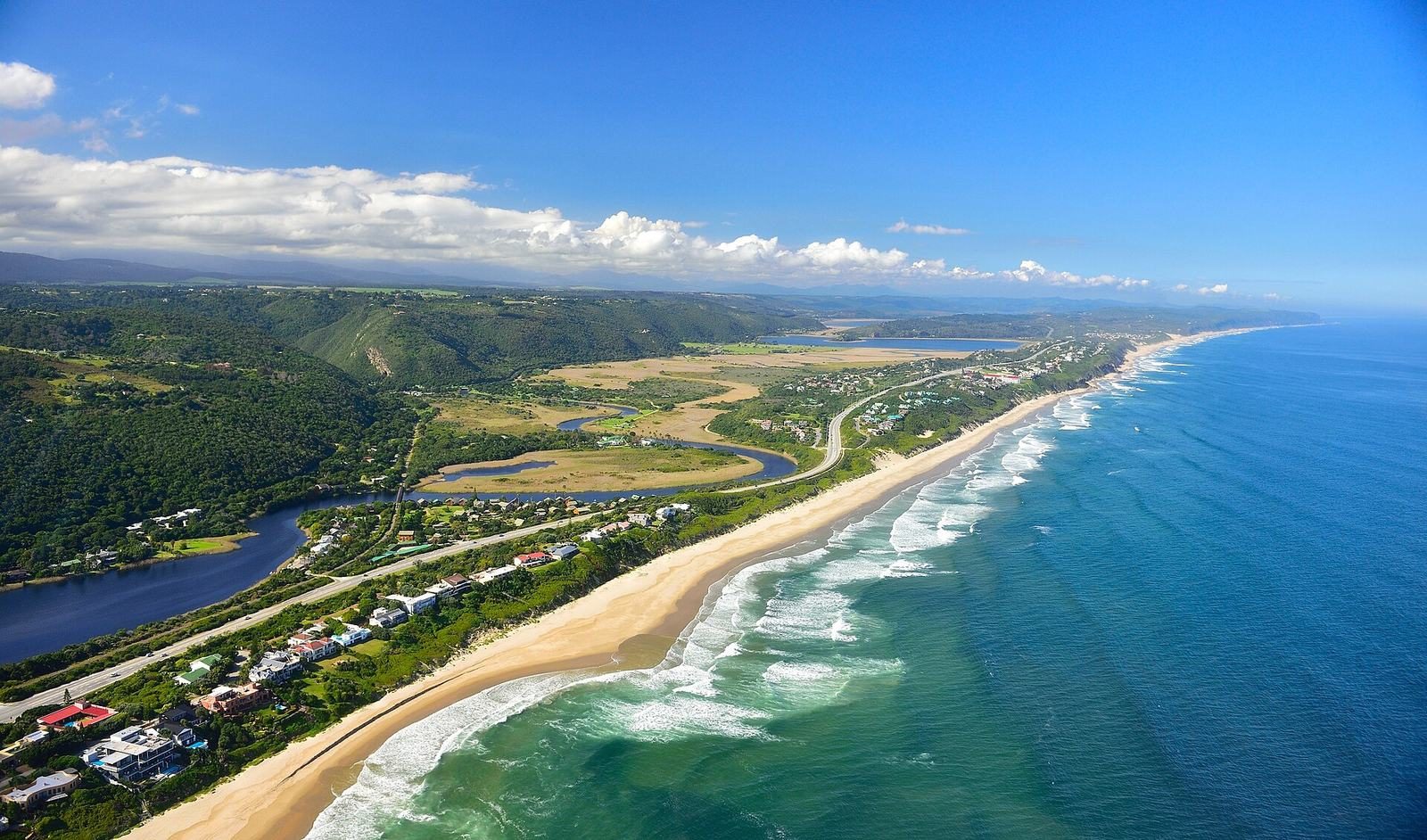
The Garden Route, and quiet villages like Wilderness in particular, are generally among the more relaxed parts of the country. South Africa has also deployed some 1,500 tourism safety monitors at popular sites.
Driving
A car is by far the best way to see the Garden Route. See how to get to Wilderness for car hire tips.
- Drive on the left. Rental cars are right-hand drive; automatics are widely available.
- Licence: a licence printed in English with a photo is accepted. Otherwise carry an International Driving Permit.
- Speed limits: 120 km/h on national roads, 100 km/h on other rural roads, 60 km/h in towns, unless signed otherwise. Speed cameras are common.
- Courtesy: slower vehicles often pull onto the hard shoulder to let you pass. Say thank you with your hazard lights.
- Watch for pedestrians and animals on rural roads, especially at dusk.
- Fuel: attendants fill your tank; you do not serve yourself. Most stations take cards.
Electricity and connectivity
- Plugs: South Africa uses the large three-round-pin plug (Type M) and the newer three-pin Type N, plus the two-pin Europlug in some sockets. Bring a universal adapter.
- Load shedding: the rolling power cuts that made headlines from 2022 to 2024 have largely stopped. By June 2026 Eskom reported more than 400 consecutive days without load shedding, and none was expected for winter 2026. Many guesthouses, including ours, also run on solar with battery backup.
- Mobile data: buy a local SIM or an eSIM on arrival (Vodacom, MTN and others have airport shops). Coverage on the N2 is good; it drops in mountain passes and deep forest.
Health
- Malaria: the Garden Route, Cape Town and most of the Western Cape are malaria-free. Some game areas in the north-east, including parts of the Kruger region, are not; ask a travel clinic.
- Water: tap water is safe to drink in most Garden Route towns. Ask your host if unsure.
- Sun: the UV index is high even in winter. Use sunscreen and a hat.
- Healthcare: private hospitals in George and Knysna are of a high standard. Travel insurance with medical cover is essential.
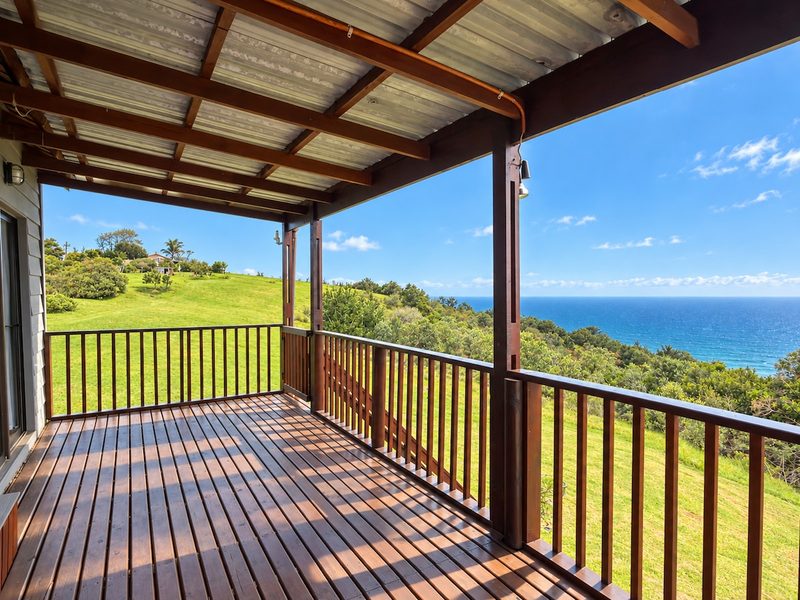 Wohnen, wo diese Geschichte spieltBook direct and you get a real person on WhatsApp for every question before you arrive.Drei Selbstversorger-Unterkünfte auf 21 Hektar über Wilderness. Direkt buchen zum besten Preis.Daten prüfen →
Useful numbers
- 112 from any mobile phone (general emergency)
- 10111 police
- 10177 ambulance
- NSRI sea rescue: save the number for the station on your part of the coast.
Häufige Fragen
Do I need a visa to visit South Africa?
Citizens of the EU, Switzerland, the UK, the US, Canada and many other countries can visit visa-free for up to 90 days. Check the Department of Home Affairs website for your nationality.
Do I need an ETA for South Africa?
Only if you are from an eligible visa-required country and want to avoid a traditional visa. Visa-exempt travellers may use the ETA voluntarily for faster airport processing.
Is South Africa safe for tourists?
Most visits are trouble-free if you follow local advice: keep valuables hidden, avoid walking alone at night in cities and lock your car. The Garden Route is one of the country's more relaxed regions.
Is there still load shedding in South Africa?
Scheduled load shedding has largely stopped. By mid-2026 Eskom reported more than 400 days without it.
Is the Garden Route malaria-free?
Yes. The Garden Route and the Western Cape are malaria-free.
Wir leben an der Garden Route und aktualisieren diesen Guide jede Saison. Etwas hat sich geändert? Sag es uns.