Food & Culture
Travel that gives back: community and conservation projects on the Garden Route
The Garden Route is beautiful and deeply unequal. The good news: some of the most memorable experiences on the coast are the ones run by local communities. Here is how to find them.

We are always happy to recommend local guides and projects before you arrive.
The short answer
Responsible travel on the Garden Route means spending money where it stays local and supports people and nature. Good options include community-run township tours in Knysna (Emzini Tours, Judah Square Rastafarian community, Vuka Ukhanye in Concordia), the Swop Shop recycling project in Sedgefield's Smutsville, and Bitcoin Ekasi, a financial-literacy and surf project in a Mossel Bay township. Visitors can also support conservation through SANParks fees, the Garden Route Biosphere Reserve and marine-protected-area rules, and by choosing licensed operators and locally owned businesses.
- Knysna tours
- Emzini, Judah Square, Vuka Ukhanye, Yengwa, Hashtag
- Sedgefield
- Lithemba Crafts & Tours, Swop Shop recycling
- Mossel Bay
- Bitcoin Ekasi and The Surfer Kids
- Conservation
- Garden Route Biosphere Reserve, SANParks
- Simple rule
- Buy local, tip fairly, ask before photos
In this guide
Drive into Knysna from the west and look up. Above the lagoon, on the hills most visitors never visit, are the townships of Khayalethu, Concordia and Hornlee, home to a large part of the town's population. The contrast with the waterfront below is one of the first things many travellers notice about South Africa, and one of the hardest to know what to do with.
The honest answer is: do not look away, and spend your money well. The Garden Route has some excellent, locally run experiences that let you meet people on their own terms, and that put money directly into the communities that need it.
Community-run tours in Knysna
Visit Knysna, the town's official tourism office, lists several "living local" experiences, all run by people from the communities they show you.
- Emzini Tours runs three-hour tours with a clear community impact. Its founders also run a safe house for vulnerable children and support around 30 children each month through school.
- Judah Square Tours visits what is described as the largest Rastafarian settlement in South Africa, in Khayalethu, with its community gardens, tabernacle, Educare centre and healing centre.
- Vuka Ukhanye ("Rise and shine") in Concordia combines walking and driving with home-cooked meals, singing, dancing and drumming.
- Yengwa Tours focuses on township culture and language, including Xhosa click songs.
- Hashtag Tours offers heritage walks, meals with local families, Xhosa praise poets and traditional games.
What to expect: a small group, a local guide, visits to homes, crèches or projects, and time to talk. Good tours are not "poverty tourism"; they are led by residents, share income with the people you meet, and leave room for real conversation.
Sedgefield: crafts and a clever swap
In Smutsville, Sedgefield's township, Lithemba Crafts & Tours introduces visitors to local projects, including the NGO Fresh Start and the Swop Shop, a community recycling initiative that turns waste into something of value for the people who collect it.
Mossel Bay: Bitcoin Ekasi
One of the most unusual community projects in South Africa is in a township in Mossel Bay. Bitcoin Ekasi, founded in 2021 by Hermann Vivier as an extension of the non-profit The Surfer Kids, teaches financial literacy and is building a small circular economy around Bitcoin. Staff are paid in bitcoin, and local spaza shops have been onboarded to accept it, so earnings can be spent without converting to rand. In 2023 the project received a grant from the Human Rights Foundation to fund more educators.
Whatever you think of Bitcoin, it is a fascinating example of a community experimenting with its own tools. If you are interested, contact the project in advance rather than turning up.
Conservation you can support
- Pay your park fees with a smile. The SANParks conservation fees for the Garden Route National Park fund rangers, trails and research.
- Respect the Biosphere Reserve. Since 2017 the region has been a UNESCO Biosphere Reserve, where conservation and communities are supposed to work together. That depends on visitors staying on trails and following the rules in marine protected areas like Robberg and Tsitsikamma.
- Choose licensed marine operators for whale and dolphin trips. See whale watching on the Garden Route.
- Report what you see. Citizen-science apps for birds and marine life help researchers track species like the Knysna seahorse.
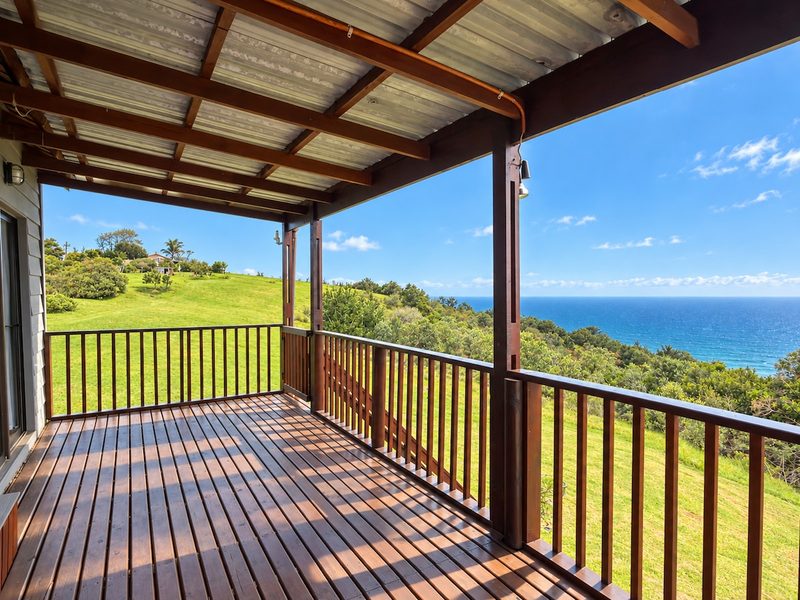 Stay where this story happensA small, locally run place to stay on the Garden Route, with locally made things inside.Three self-catering places on 21 hectares above Wilderness. Book direct for the best rate.Check dates →
Seven simple habits
- Buy local. Farmers markets like Wild Oats in Sedgefield, farm stalls, local butchers, artists.
- Eat at locally owned restaurants. Our restaurant guide is full of them.
- Tip fairly. Car guards, petrol attendants and waiters rely on tips. See our practical guide.
- Ask before taking photos of people, especially children.
- Do not give money to children on the street; support a project that works with them instead.
- Save water. The Western Cape has lived through severe droughts; short showers matter.
- Leave nothing behind on beaches and trails, and pick up a piece of litter each time you go.
Frequently asked questions
Are township tours ethical?
They can be, if they are run by residents, share their income with the community and treat visitors and hosts as equals. The tours listed by Visit Knysna are community-run.
Where can I do a township tour on the Garden Route?
In Knysna, through operators such as Emzini Tours, Judah Square Tours and Vuka Ukhanye, and in Sedgefield through Lithemba Crafts & Tours.
What is Bitcoin Ekasi?
A non-profit project in a Mossel Bay township, founded in 2021, that teaches financial literacy and is building a local circular economy using Bitcoin, alongside the surf programme The Surfer Kids.
How can tourists support conservation on the Garden Route?
Pay national park and reserve fees, stay on trails, choose licensed wildlife operators, avoid feeding wild animals and buy from locally owned businesses.
We live on the Garden Route and update this guide every season. Something changed? Tell us.