Food & Culture
South African culture for travellers: languages, food, the braai and ubuntu
Twelve official languages, a national holiday for grilling meat, and a philosophy that says a person is a person through other people. A short guide to the country you are visiting.
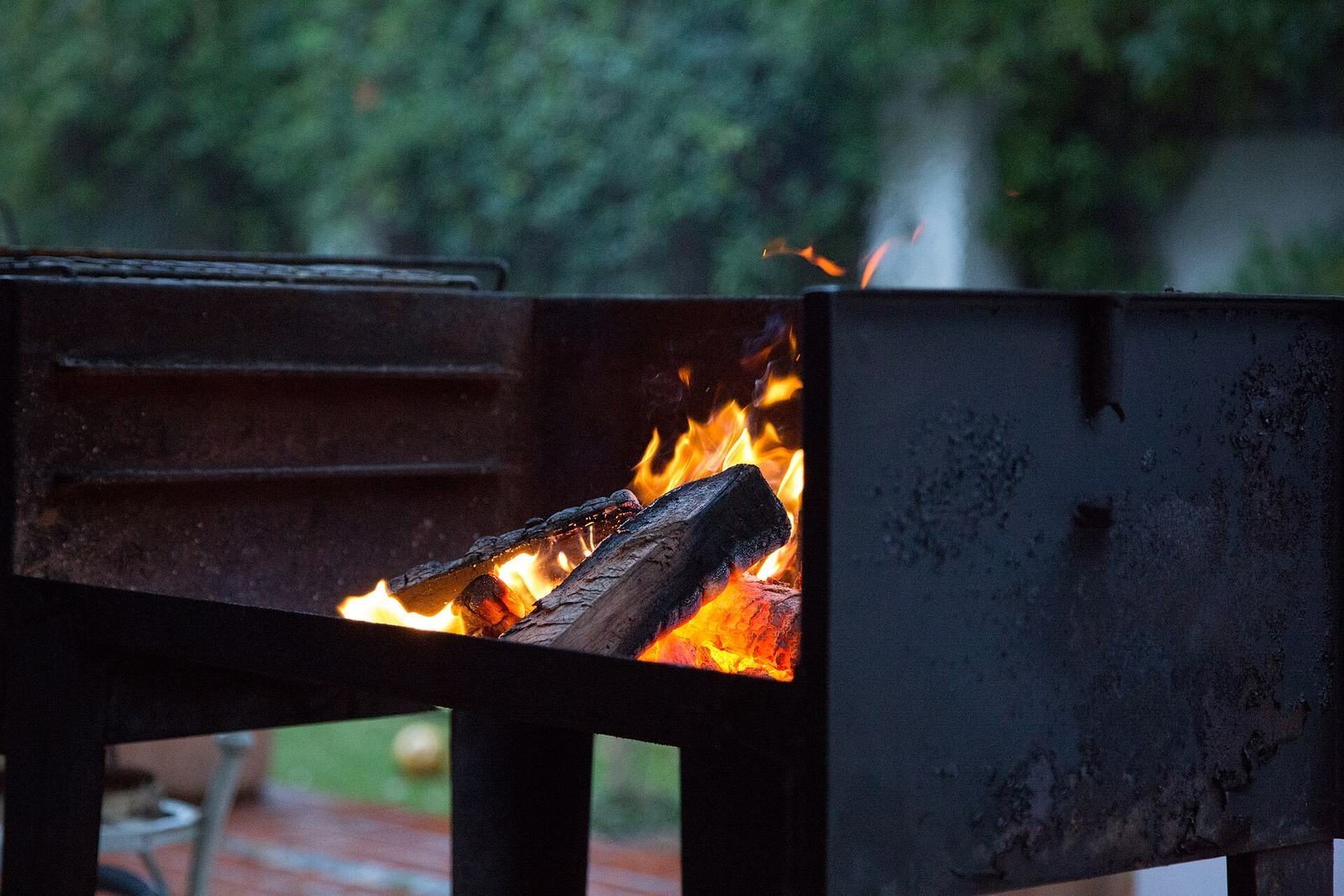
Every one of our places has its own gas braai. Lesson one is free.
The short answer
South Africa is one of the world's most diverse countries, with 12 official languages (including South African Sign Language since 2023), a mix of African, European and Asian traditions, and a shared love of the braai, the South African barbecue. Key ideas for visitors include ubuntu ('a person is a person through other people'), Heritage Day on 24 September, and foods like bobotie, biltong, boerewors, bunny chow and malva pudding. On the Garden Route, Afrikaans, English and isiXhosa are the main languages, and many place names come from the Khoikhoi.
- Official languages
- 12, incl. isiZulu, isiXhosa, Afrikaans, English, SA Sign Language
- On the Garden Route
- Afrikaans, English, isiXhosa
- National pastime
- The braai (and rugby)
- Heritage Day
- 24 September, also National Braai Day
- Say thank you
- Dankie (Afrikaans), Enkosi (isiXhosa)
In this guide
South Africans like to call their country the Rainbow Nation, a phrase Archbishop Desmond Tutu used after the first democratic elections in 1994. It is a hopeful name for a country with a hard history and a remarkable mix of people: Zulu, Xhosa, Sotho, Tswana, Venda and other African nations; Afrikaans-speaking communities of mixed European, Khoi and Asian descent; English-speaking South Africans; and a large Indian community, especially in KwaZulu-Natal.
You do not need to understand all of it to enjoy your trip. But a little context makes every conversation richer.
Twelve official languages
South Africa has 12 official languages: isiZulu, isiXhosa, Afrikaans, English, Sepedi, Setswana, Sesotho, Xitsonga, siSwati, Tshivenda, isiNdebele and, since 2023, South African Sign Language. English is the language of business and tourism, and almost everyone you meet as a traveller will speak it.
On the Garden Route, the everyday languages are Afrikaans, English and isiXhosa. In Wilderness, according to the census, Afrikaans is the most common home language.
Words you will hear
| Word | Language | Meaning |
|---|---|---|
| Howzit | SA English | Hello, how are you |
| Dankie | Afrikaans | Thank you |
| Enkosi | isiXhosa | Thank you |
| Molo | isiXhosa | Hello |
| Lekker | Afrikaans | Nice, great, delicious |
| Just now | SA English | At some point, not necessarily soon |
| Now now | SA English | Soon, really |
| Robot | SA English | Traffic light |
| Eish | Common | An exclamation of surprise or frustration |
| Braai | Afrikaans | Barbecue, and the social event around it |
isiXhosa is one of the click languages. The "X" in Xhosa is a click made with the side of the tongue. People are usually delighted when a visitor tries.
Ubuntu
The Nguni word ubuntu is often translated as "I am because we are", or more literally, "a person is a person through other people". It describes a belief that your humanity is bound up with the people around you: generosity, hospitality and respect. You will notice it in small things, like how long a greeting takes. In South Africa you say hello and ask how someone is before you ask for anything. It matters.
The braai
If South Africa has one shared ritual, it is the braai. It looks like a barbecue, but it is really an afternoon: someone lights a fire (wood, not gas, if they are serious), everyone stands around it with a drink, and the meat goes on only when the coals are just right, which can take a while.
What goes on the grill:
- Boerewors, a coiled farmer's sausage spiced with coriander
- Lamb chops, ideally Karoo lamb
- Sosaties, marinated kebabs with a Cape Malay touch
- Snoek or line fish on the coast, often basted with apricot jam
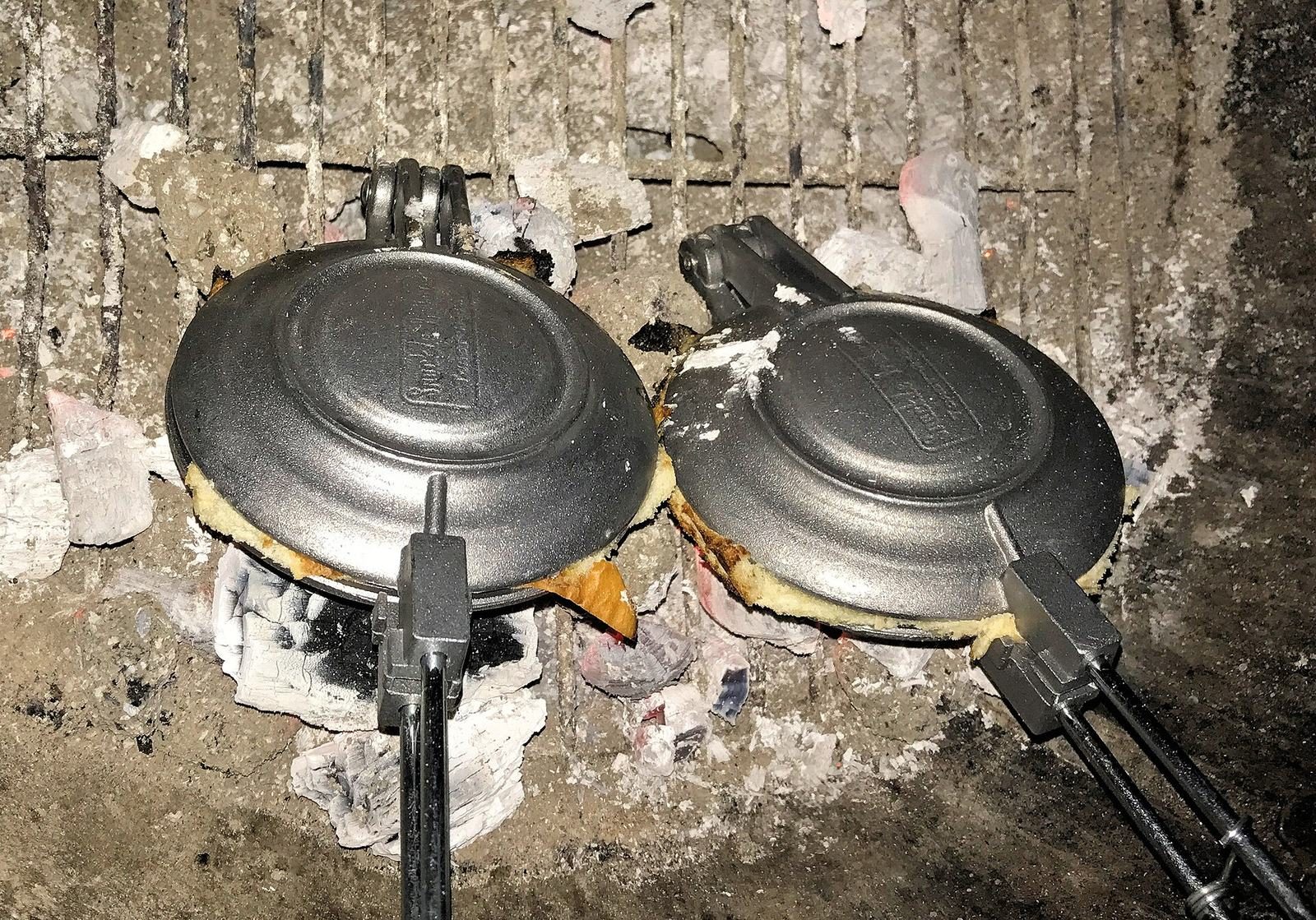
- Braaibroodjies, toasted sandwiches of cheese, tomato and onion, the unofficial best part
Heritage Day on 24 September is also known as National Braai Day, when the whole country lights a fire.
Food to try
- Bobotie: spiced minced meat baked with an egg custard on top. The Cape Malay classic.
- Bredie: slow-cooked stew, often lamb and tomato, or waterblommetjie (a Cape water flower).
- Biltong: air-dried spiced meat, beef or game. Buy it from a butcher, not a supermarket.
- Potjiekos: a stew cooked for hours in a three-legged cast-iron pot over the fire.
- Bunny chow: a hollowed-out loaf filled with curry, from Durban's Indian community.
- Pap: a maize porridge, eaten with stews or with tomato-and-onion relish at a braai.
- Koeksisters and malva pudding: very sweet, very good.
- Rooibos: a caffeine-free red tea from the Cederberg mountains of the Western Cape.
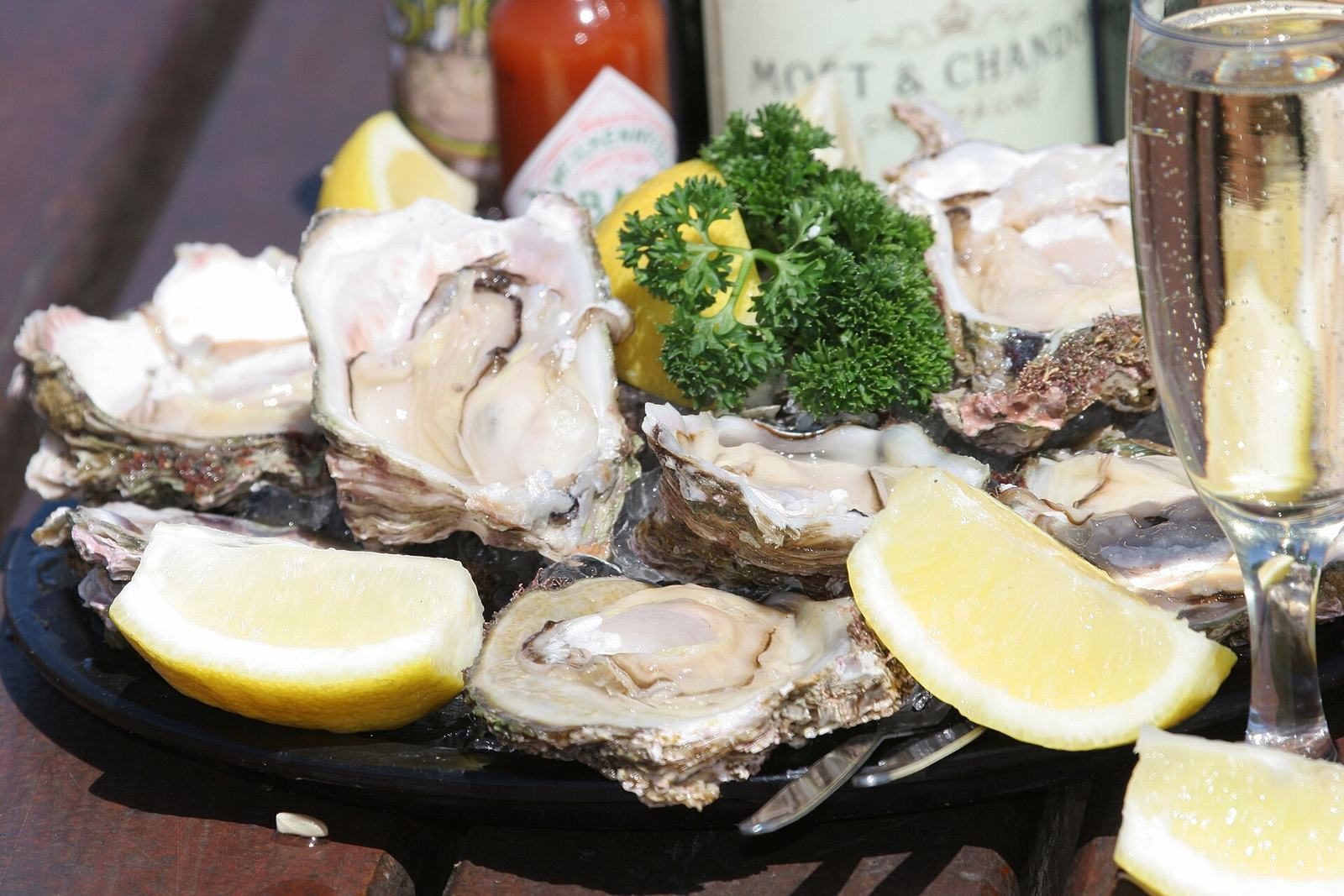
On the Garden Route, add Knysna oysters and Karoo lamb and ostrich from over the mountains. Our restaurant guide tells you where.
Music and sport
South African music ranges from the choral singing that fills churches and stadiums to jazz, kwaito and the piano-driven amapiano that now fills dance floors around the world. In the Western Cape you will also hear Afrikaans pop and the Cape Malay-rooted goema of Cape Town.
Rugby is close to a religion, especially since the Springboks' World Cup wins in 2019 and 2023. If there is a big match on, find a pub and join in. Cricket and football are close behind.
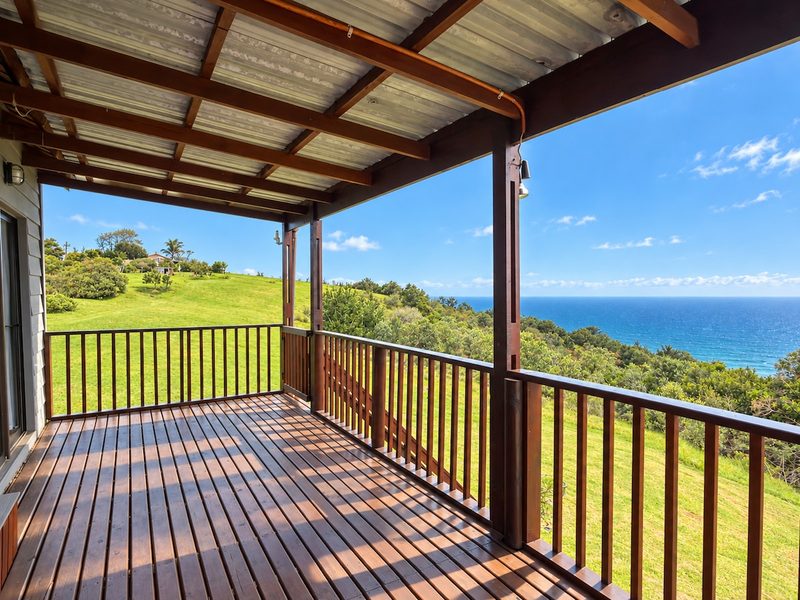 Stay where this story happensYour own gas braai, a view of the ocean and a sunset worth staying up for.Three self-catering places on 21 hectares above Wilderness. Book direct for the best rate.Check dates →
The first people of the Garden Route
Long before any of today's languages arrived, this coast was home to the San, who hunted and gathered, and later the Khoikhoi, who herded cattle and sheep. Their shell middens are still found along the beaches, and their language survives in place names. Outeniqua, the mountains behind Wilderness, is usually translated as "they who bear honey", after the Houteniqua people who lived here.
The Garden Route also holds some of the oldest traces of modern human culture anywhere. At Pinnacle Point near Mossel Bay, caves occupied around 160,000 years ago contain evidence of shellfish meals, ochre pigment and advanced stone tools. You can visit with a guide through the Point of Human Origins experience; see day trips from Wilderness.
Meeting people
The best way to understand South Africa is to talk to South Africans. Around Knysna and Sedgefield, community-run tours take visitors into the townships to meet families, eat home-cooked food, hear Xhosa praise poetry and visit projects. Travel that gives back lists the ones we recommend.
A few etiquette tips
- Greet first. Say hello and ask how someone is before asking a question.
- Use both hands or your right hand to give or receive something, especially with older people. It is a sign of respect.
- Be patient. "Just now" can mean in an hour.
- Photograph people only with permission, especially in townships and rural areas.
- Talk about the past with care. Apartheid ended in 1994, but its effects are still visible and personal for many people. Listen more than you speak.
Frequently asked questions
What language is spoken on the Garden Route?
Mainly Afrikaans, English and isiXhosa. Almost everyone in tourism speaks English.
What is a braai?
The South African barbecue: meat, sausage (boerewors) and sandwiches grilled over wood coals, usually as a long social afternoon or evening.
What does ubuntu mean?
A Nguni philosophy often summed up as "a person is a person through other people". It stands for generosity, hospitality and mutual respect.
What food should I try in South Africa?
Bobotie, biltong, boerewors, bredie, bunny chow, potjiekos, malva pudding, koeksisters and rooibos tea. On the Garden Route, add Knysna oysters and Karoo lamb.
How many official languages does South Africa have?
Twelve, since South African Sign Language became official in 2023.
We live on the Garden Route and update this guide every season. Something changed? Tell us.